Table of Contents
- What Environmental Health Consultants Actually Do
- OSHA Compliance Consulting: What Inspectors Look For
- What an Environmental Regulatory Compliance Audit Covers
- SWPPP Development and Compliance for Construction and Industrial Sites
- How to Vet an Environmental Health Consultant
- What It Costs and What You Gain
- Frequently Asked Questions
Last Updated: September 28, 2026
What Environmental Health Consultants Actually Do
Environmental health consultants are specialists who identify, measure, and help control the physical, chemical, and biological hazards that affect workers, buildings, and the surrounding environment. This guide from Michael Karl McNeil covers how they work and how to choose one.
Most safety managers don’t call an environmental health consultant until something goes wrong: a citation arrives, a near-miss rattles the floor, or an inspector schedules a visit. That’s backwards. The firms that stay out of trouble treat these consultants the way they treat their insurance broker, a standing relationship they lean on before problems surface.
Below, we’ll break down the core services, the credentials that matter, and a vetting checklist you can use this week.

Core Services: Industrial Hygiene, Hazard Assessment and Exposure Monitoring
The core work falls into three buckets. Industrial hygiene is the science of anticipating and controlling workplace exposures. Hazard assessment is the process of identifying what could hurt someone and how likely it is. Exposure monitoring is the measurement piece: air sampling, noise dosimetry, and surface wipe tests that produce numbers you can act on.
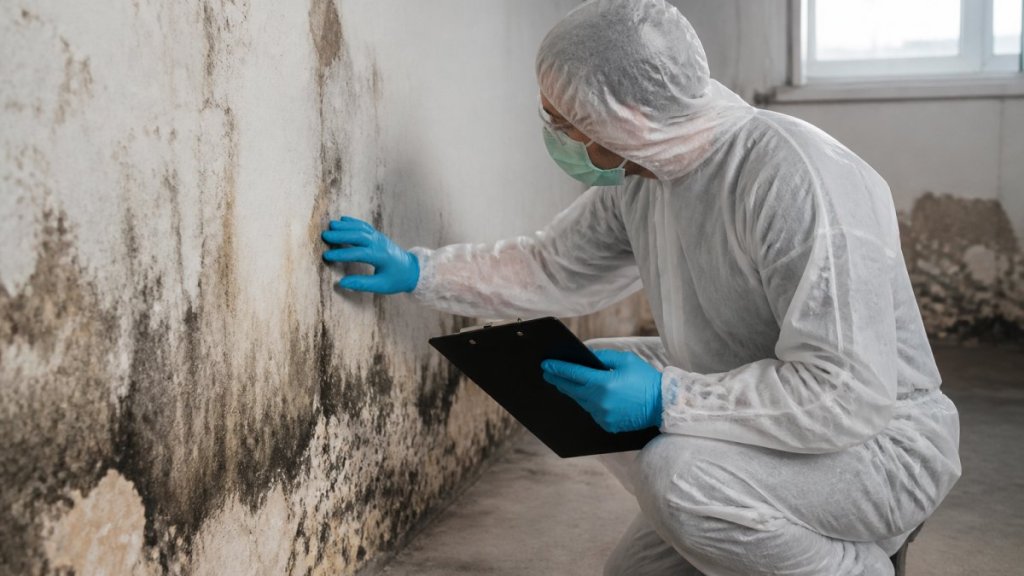
A consultant might sample solvent vapors near a degreaser, measure noise levels on a stamping line, or test for mold after a roof leak.
Environmental Consultant vs Industrial Hygienist: Clearing Up the Confusion
The terms overlap, but they aren’t interchangeable. An environmental consultant typically works on the outward-facing side: air and water permits, waste handling, stormwater, and site assessments. An industrial hygienist focuses inward, on the people breathing the air and working the line.
OSHA Compliance Consulting: What Inspectors Look For
OSHA compliance consulting is the practice of auditing your operation against federal and state workplace safety standards before an inspector does it for you. The goal is simple: find the gaps while you can still fix them quietly.
How an Inspection Actually Unfolds
Understanding the sequence matters more than memorizing a checklist. A typical programmed inspection follows this arc:
- Opening conference. The compliance officer states the scope and reason for the visit. You have the right to ask for the warrant or to require one, though most employers consent.
- Walkaround. The officer tours the site, often with a employee representative present. They take photos, interview workers privately, and request documents on the spot.
- Records review. OSHA’s injury and illness logs (Form 300, 300A, 301), training records, hazard communication programs, and written safety plans are pulled.
- Closing conference. The officer previews findings and discusses possible citations. This is where a consultant’s presence changes the conversation.
What Triggers an Inspection
OSHA prioritizes inspections in a predictable order: imminent danger, fatalities and catastrophes (must be reported within 8 hours), employee complaints, referrals, programmed inspections in high-hazard industries, and follow-ups. Industries on OSHA’s current emphasis list, including warehousing, food processing, and certain construction trades, see more programmed visits than others.
The Penalty Math That Justifies Prevention
Federal OSHA penalties are adjusted annually for inflation. State-plan states like California, Washington, and Oregon often set higher maximums.
The Documentation Gap Most Companies Miss
You may do the right thing every day, but if there’s no record, an inspector can’t verify it. The most common findings cluster around:
- Written programs that don’t match what’s actually happening on the floor
- Training records missing dates, signatures, or refresher cycles
- Hazard communication and safety data sheets that are outdated or incomplete
- Injury and illness recordkeeping errors (especially the 300A posting requirement from February 1 to April 30)
- Machine guarding and lockout/tagout procedures that exist on paper but not in practice
Walk your own floor with a clipboard before anyone else does. Ask three line workers what they’d do if a machine jammed. Their answers usually reveal more compliance gaps than any binder audit.
The cheapest compliance audit is the one you commission yourself. The most expensive is the one OSHA commissions for you, and it comes with a deadline attached.
What an Environmental Regulatory Compliance Audit Covers
An environmental regulatory compliance audit is a structured review of your operation against the environmental rules that apply to your site. It’s not a one-size-fits-all checklist. A metal finisher, a food processor, and a construction site each face a different rulebook.
SWPPP Development and Compliance for Construction and Industrial Sites
SWPPP development and compliance is the work of creating and maintaining a Stormwater Pollution Prevention Plan, the document that governs how a site controls runoff. Construction sites disturbing an acre or more generally need one, and industrial facilities with exposed materials often do too.
Signing off on inspection logs you didn’t actually perform is a serious problem. Falsified records can turn a routine violation into a much bigger legal exposure for the company and the individual who signed.
How to Vet an Environmental Health Consultant
Vetting comes down to three things: credentials, local experience, and whether they’ve actually worked a floor like yours. Ask for the credential documents directly. Ask which regulators they’ve dealt with. Ask for references from operations similar to your own.
Use this checklist before you sign anything:
- Confirm the specific credentials relevant to your project (see below)
- Ask how many similar sites they’ve worked in the last two years
- Request a sample report so you can judge the deliverable
- Ask who actually does the fieldwork, the principal or a junior
- Confirm they’ll represent you in meetings with regulators if needed
- Get the scope in writing, including what’s excluded
Credentials That Matter: CIH, REP, RIH and QSD
Four credentials come up most often. A Certified Industrial Hygienist (CIH) has passed a board exam and meets strict education and experience requirements. Registered Environmental Professional (REP) signals broad environmental competency. Registered Industrial Hygiene Professional (RIH) covers the industrial hygiene side. Qualified SWPPP Developer (QSD) is a state-specific credential for writing stormwater plans.
Why Local Regulatory Experience Changes Everything
Federal rules set the floor, but state programs often go further. A consultant who only knows the federal rulebook can miss state-specific requirements that carry their own penalties.
What It Costs and What You Gain
Pricing for environmental health consulting depends on scope, site size, and how many days of fieldwork are involved. A single exposure monitoring visit and a full multi-site compliance audit are very different projects.
How Consultants Actually Structure Fees
Watch for pass-through costs: laboratory analysis, equipment rental (noise dosimeters, air sampling pumps), travel, and regulatory filing fees. These are often billed separately and can rival the consulting fee on monitoring-heavy projects.
The ROI Framework Decision-Makers Should Use
The honest comparison isn’t consultant versus nothing. It’s consultant versus the fully loaded cost of the alternative:
| Scenario | What It Actually Costs You |
|---|---|
| Serious OSHA citation | Per-violation penalty, abatement labor, legal review, possible willful reclassification |
| Willful or repeated violation | Maximum penalty tier, potential criminal referral for the most egregious cases |
| Stormwater violation | Clean Water Act penalties, mandatory corrective actions, possible consent agreement |
| Unplanned shutdown | Lost production, idle labor, contractual penalties, customer notification |
| Part-time in-house coordinator | Salary, benefits, training, software, and the credential gap you still can’t fill |
What to Ask Before You Sign
- What’s included in the quoted scope, and what’s billed as pass-through?
- Who does the fieldwork, the principal or a junior staffer?
- What does the deliverable look like, and can I see a sample?
- Will you represent us in meetings with regulators, or is that a separate engagement?
- What’s your turnaround time on the written report?
To understand what applies to your site before you scope a project, OSHA’s compliance assistance resources and the EPA’s environmental compliance overview are useful starting points. For stormwater specifics, the state water board’s stormwater program pages lay out the requirements by site type.
| Your Situation | Best Fit | What to Ask For |
|---|---|---|
| Citation received | Citation defense support | Appeals timeline and representation |
| Near-miss, no citation yet | Hazard assessment | Written findings ranked by severity |
| Construction site over 1 acre | SWPPP development | QSD-prepared plan and inspection log |
| Ongoing exposure concerns | Industrial hygiene monitoring | Sampling plan and lab results |
| Preparing for an inspection | Compliance audit | Gap report with fix priorities |
A citation, a shutdown, or an injury is not a known, budgetable number.
Frequently Asked Questions
What specific services do environmental health consultants provide?
Environmental health consultants handle industrial hygiene monitoring, hazard assessments, OSHA compliance support, environmental regulatory compliance audits, SWPPP development, indoor air quality testing, hazardous materials management and expert witness testimony. Some also provide safety training, written program development and emergency planning. The scope depends on the consultant’s credentials and your industry. Manufacturing, construction and industrial operations typically need the broadest range of services.
How do you verify the credentials of an environmental health consultant?
Start with certifications: Certified Industrial Hygienist (CIH), Registered Environmental Professional (REP), Registered Industrial Hygiene Professional (RIH) and Qualified SWPPP Developer (QSD). Check state registration boards where applicable. Ask for documentation of past work in your industry, and request references from clients with similar operations. A consultant with fire service or regulatory background often brings practical inspection experience that textbook training alone does not provide.
How can environmental health consultants help with OSHA compliance?
They conduct mock OSHA inspections to identify gaps before a real one occurs, develop written safety programs, train employees on hazard communication and PPE, and help manage recordkeeping requirements. After a citation, they can assist with abatement and appeals. Safety managers at manufacturing companies often use consultants to stay current on changing standards without adding full-time staff.
What is the difference between an environmental consultant and an industrial hygienist?
An environmental consultant focuses on environmental regulatory compliance audit work, stormwater permits, air quality and waste management. An industrial hygienist specializes in workplace exposure: air sampling, noise monitoring, chemical hazard assessment and ergonomics. Many professionals hold both skill sets. When hiring, match the credential to your problem. If you need SWPPP development and compliance, look for a QSD. For worker exposure issues, prioritize a CIH or RIH.


Leave a Reply