Michael Karl McNeil, Firefighter: Twenty-Five Years in the Fire Service
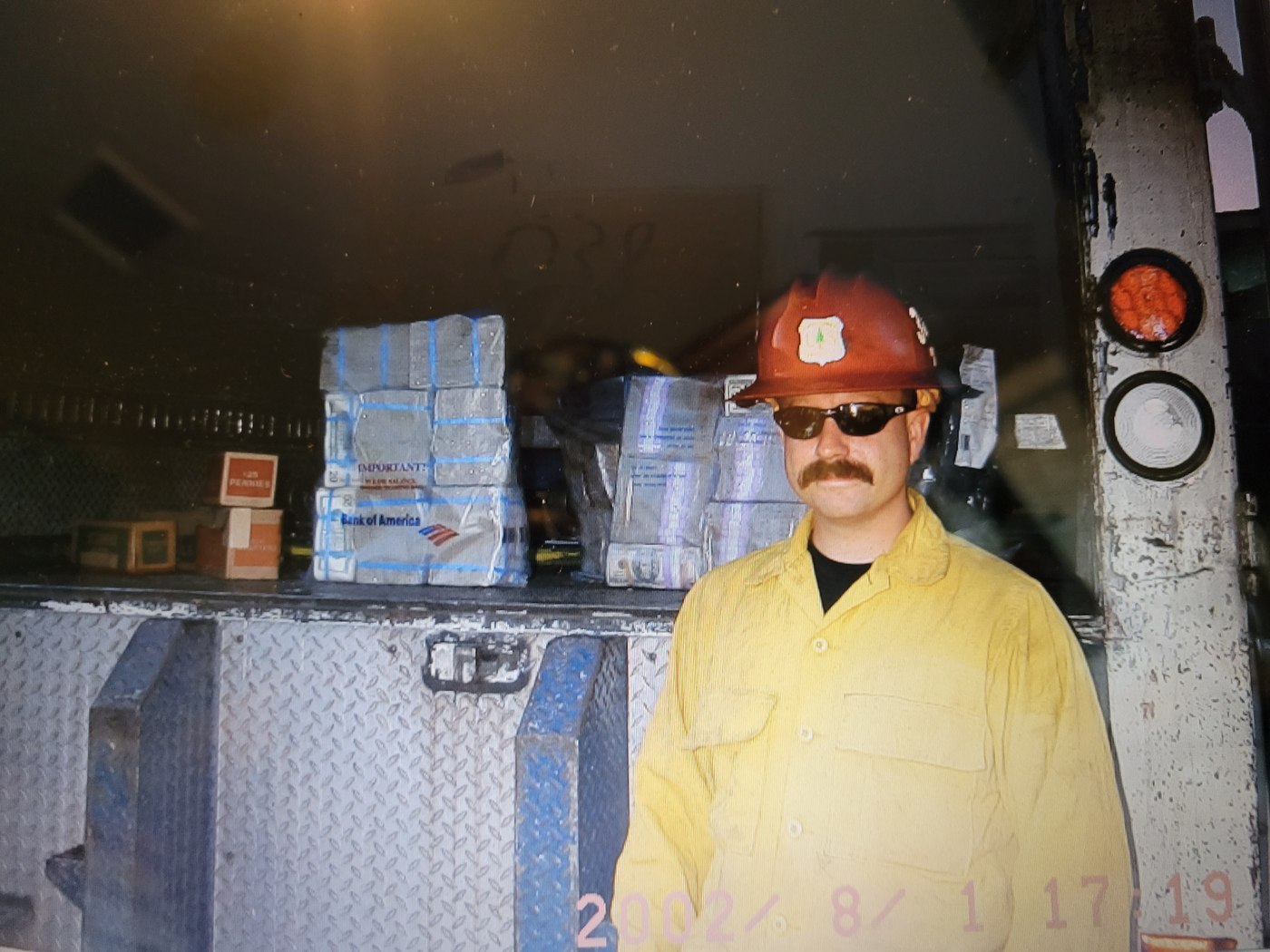
Michael Karl McNeil was a firefighter for twenty-five years, federal and state, most of that time in fire prevention. I finished that career as a Fire Battalion Chief.
Agencies and rank
- USDA Forest Service — Fire Battalion Chief, Prevention; advanced from Fire Prevention Captain
- U.S. Fish and Wildlife Service
- Utah Division of Forestry
- CAL FIRE
Assignments moved across the United States, concentrated in the Western states. That is the practical reason I work outside California now: I have already worked under other states’ rules, on their ground, with their agencies.
Command qualifications
Wildland firefighter qualifications held through the National Wildfire Coordinating Group:
- Incident Commander Type 3
- Division/Group Supervisor
- Task Force Leader
- Strike Team Leader
- Crew Boss
- Engine Boss
- Forest Protection Officer
FEMA National Incident Management System and National Response Plan training. Earlier federal incident qualification also carried Incident Commander Type 4, Prevention Technician, Hazardous Materials Specialist, Security Specialist 2, Swiftwater Rescue Technician 1 and EMT-Intermediate.
What each of these qualifications is, and how a firefighter earns it, is explained in what the wildland qualifications on my record mean.
Hazardous materials
- Hazardous Materials Manager
- Hazardous Materials Specialist
- Hazardous Materials Incident Commander — Hazardous Materials Scene Management, Incident Commander, 24 hours
- HAZWOPER, 40 hours — the general site worker training length at 8 CCR §5192(e)(3)(A)
- First Responder Operations, certificate number 37320, 0.8 IACET CEUs — satisfies 29 CFR §1910.120(q)(6)(ii)
- Introduction to Clandestine Laboratory Investigations, 16 hours, with recurring recertification — the training basis for work under Health and Safety Code §§25400.10–25400.47 and §25400.16
Federal training
- Federal Law Enforcement Training Center — officer safety, risk management and mitigation, and hate and bias crimes
- Multijurisdictional Counterdrug Task Force Training — clandestine laboratory investigation and recertification, fentanyl safety and naloxone, tactical medicine
- Member, Federal Law Enforcement Officers Association
Emergency medical
- EMT-II, California
- Certified Tactical Medic, with continuing education in tactical medicine and airway management
- BLS and ACLS provider certification, issued August 2026, current to August 2028
- Fentanyl safety and naloxone first aid
- Advanced Topics on Medical Defense Against Biological and Chemical Agents — six modules, 12 contact hours, VA Learning University, with course directors from USAMRIID and USAMRICD
Recognition from this period
- Two USDA Forest Service Certificates of Merit
- Certificate of Appreciation, 1st Reconnaissance Battalion, U.S. Marine Corps — 16 June 2008
- Certificate of Special Congressional Recognition, U.S. House of Representatives — 18 May 2001
Full citations are on the recognition page.
Incident photographs
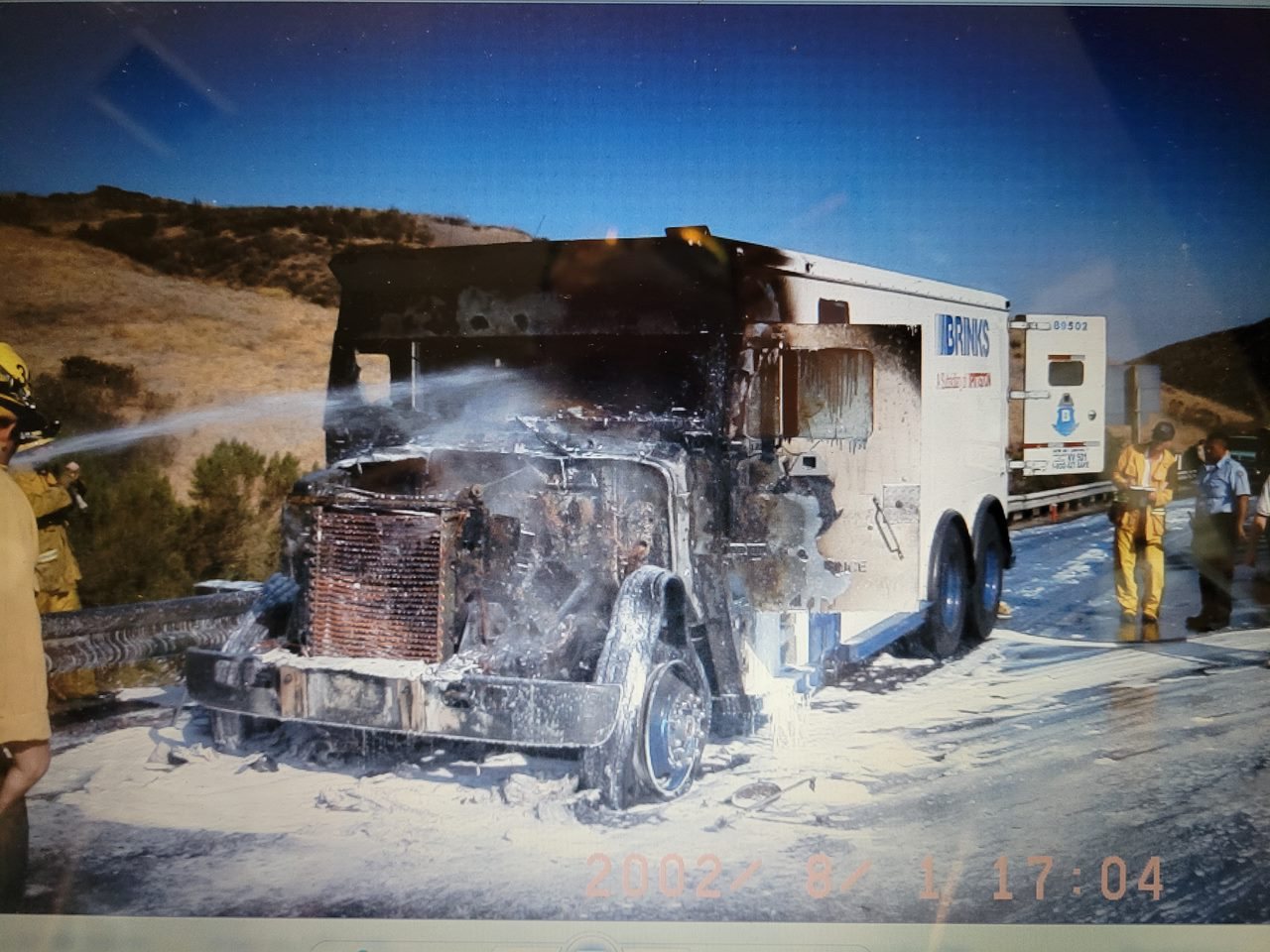
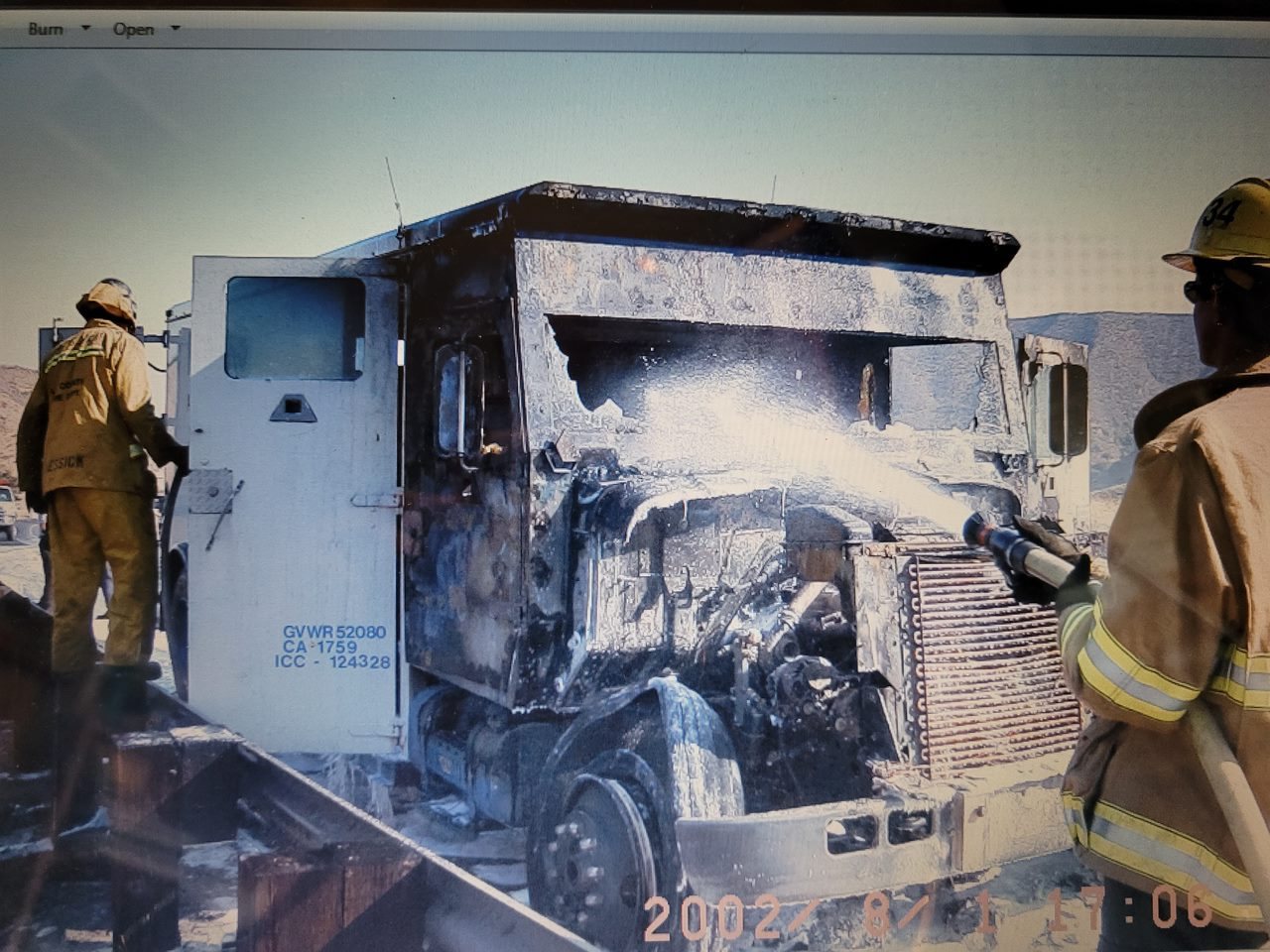
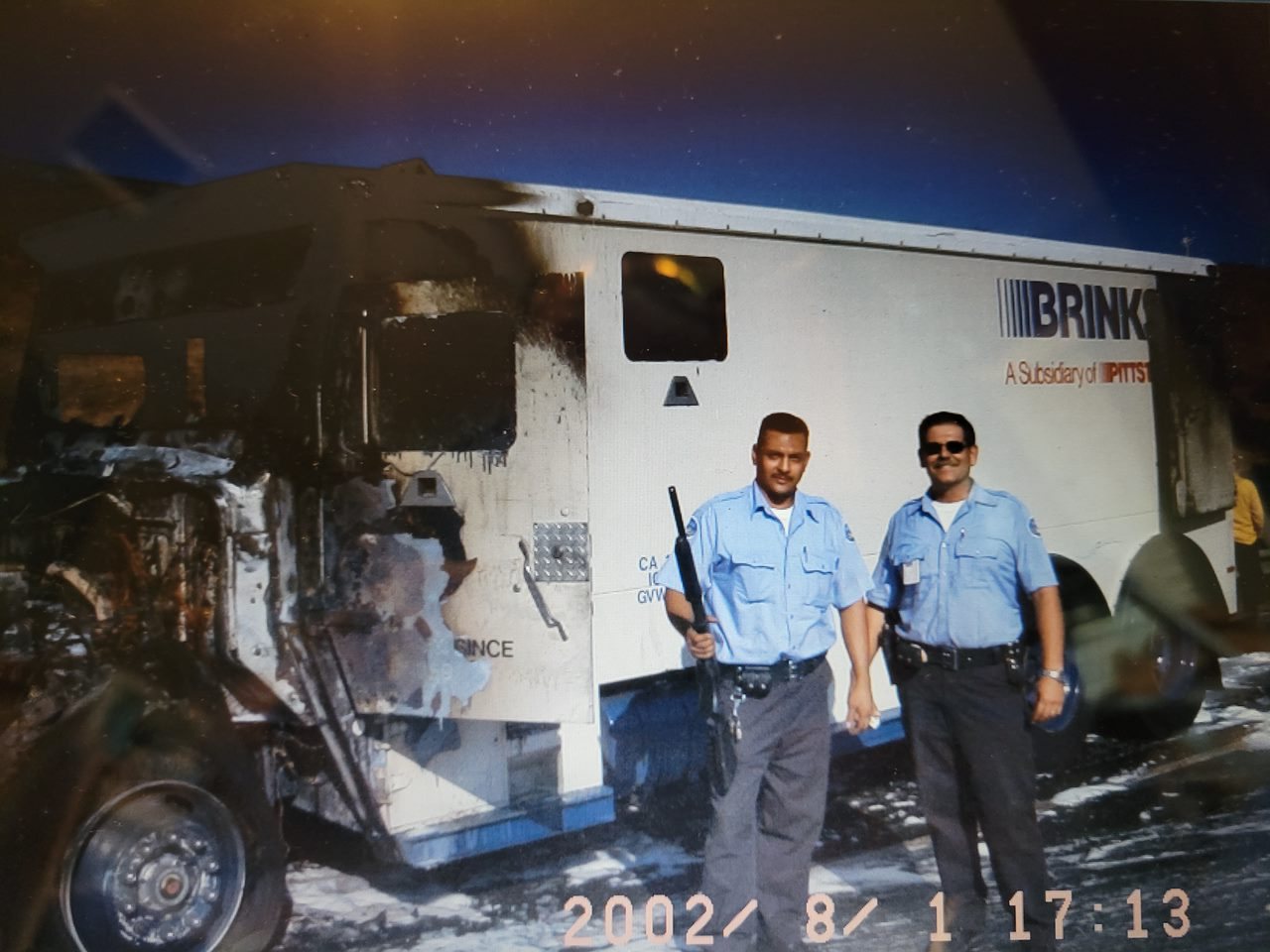
Vehicle fire, August 2002. Foam application on a fully involved armored transport on a rural highway, and overhaul of the cab and engine compartment once the fire was knocked down.
Common questions
Was Michael Karl McNeil a firefighter?
Yes. He was a firefighter for twenty-five years with federal and state agencies, and held wildland firefighter qualifications through the National Wildfire Coordinating Group up to Incident Commander Type 3. He finished that career as a Fire Battalion Chief for Prevention and now works in industrial hygiene and environmental health and safety.
How long was Michael Karl McNeil in the fire service?
Twenty-five years, in fire prevention and command. He advanced from Fire Prevention Captain to Fire Battalion Chief, Prevention. He is a former Fire Battalion Chief, and that is the wording used throughout this site.
What federal qualifications did he hold?
Wildland fire qualifications through the National Wildfire Coordinating Group, carried on assignments across the United States and mostly in the Western states. Working those assignments under other states’ regulations is the background behind the multi-state work he does now.
Does he take fire origin-and-cause or arson investigation work?
No. Fire investigation qualifications appear on this page as career history only. He does not accept origin-and-cause or arson engagements, and his consulting practice does not offer them.

