Table of Contents
- What an Industrial Hygiene Consultant Does
- Core Industrial Hygiene Services
- Workplace Exposure Monitoring and Assessment
- OSHA Compliance Consulting and Representation
- Industrial Hygiene Program Development for Your Organization
- Key Certifications and Qualifications to Look For
- How to Select the Right Industrial Hygiene Consultant
- Cost-Benefit Analysis: When Hiring Makes Financial Sense
- Frequently Asked Questions
Last Updated: September 4, 2026
What an Industrial Hygiene Consultant Does
An industrial hygiene consultant identifies workplace hazards and recommends controls to protect employee health, combining environmental monitoring, toxicology, and safety engineering to find problems before they become citations or illnesses.
The consultant measures actual conditions against regulatory standards and delivers a clear action plan covering chemical exposure, noise, indoor air quality, biological contaminants, and physical hazards.
Most businesses hire reactively after citations or incidents; the smarter approach is proactive, using a consultant to find compliance gaps before an inspector does.
Core Industrial Hygiene Services
Consulting engagements span three areas: hazard identification, testing, and program building, with findings from each stage driving the next.
Hazard Identification and Risk Assessment
The consultant tours your facility, reviews processes, inventories chemicals, and interviews workers to identify which operations create dust, fumes, noise, or ergonomic strain and who is exposed.
Safety data sheets describe chemical hazards but not your specific process exposure. Observing actual work produces a prioritized risk list ranked by severity and likelihood.
Air Sampling and Environmental Testing
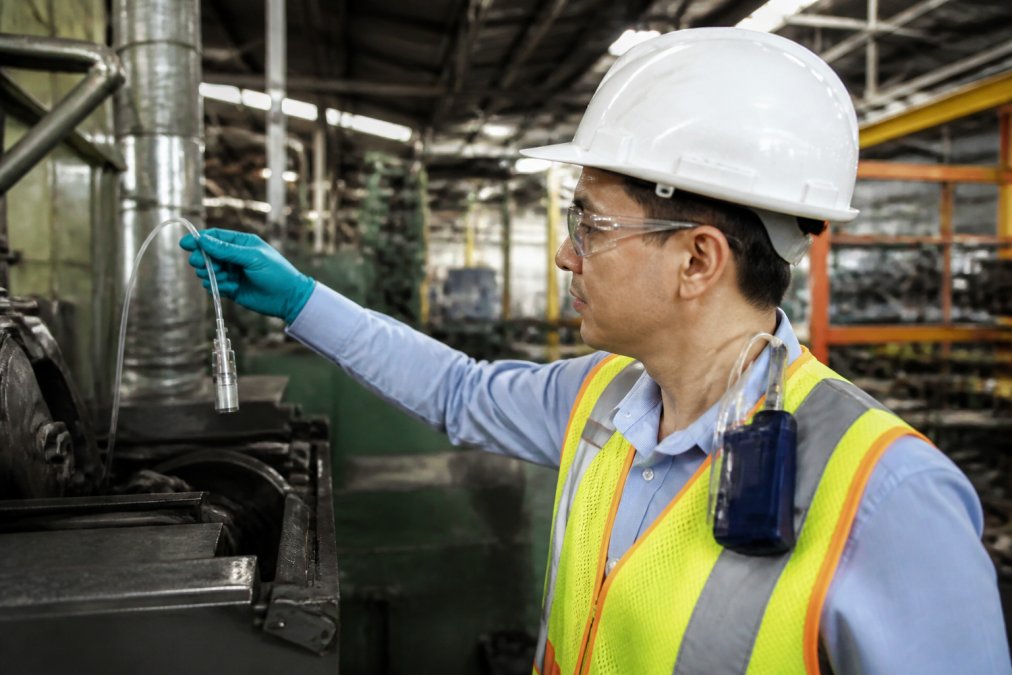
Air sampling measures airborne contaminant concentration in a worker’s breathing zone, translating “we use a solvent” into specific exposure data like “85 parts per million over an eight-hour shift.”
Results are compared against occupational exposure limits to determine whether current controls are adequate or engineering upgrades are needed.
Safety Program Development and Documentation
A consultant drafts compliance documentation: respiratory protection programs, hazard communication plans, hearing conservation programs, and injury and illness prevention plans.
Generic templates fail during audits; a good consultant writes programs matched to your actual operations that supervisors can implement.
Workplace Exposure Monitoring and Assessment
Workplace exposure monitoring is ongoing measurement of employee contact with hazards. Initial monitoring establishes a baseline; periodic monitoring confirms controls continue to work.
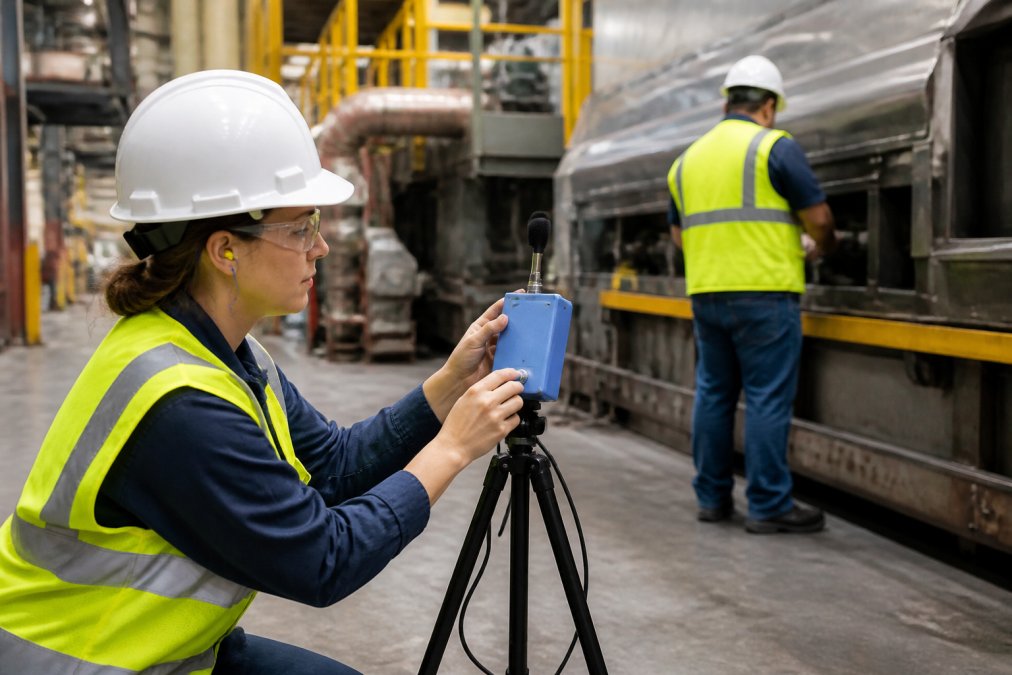
Methods vary by hazard: noise dosimetry logs sound levels across a shift, chemical exposure uses personal air sampling pumps, and some contaminants require surface wipe or biological monitoring.
The report states exposure levels by employee group or task, whether limits were exceeded, and required actions, serving as your defense in regulatory inquiries.
OSHA Compliance Consulting and Representation
An industrial hygiene consultant can conduct a pre-audit to find violations before an inspector does, reviewing injury logs, training records, and exposure data for gaps.
If facing a citation, the consultant analyzes its technical basis, prepares abatement documentation, and represents you in settlement discussions, providing technical expertise that attorneys translate into legal arguments.
OSHA compliance consulting is most valuable when the consultant has regulatory experience and knows what inspectors actually look for.
Industrial Hygiene Program Development for Your Organization
Industrial hygiene program development builds a systematic approach to worker health, starting with hazard assessment and monitoring data, then adding written policies, training, and re-evaluation schedules.
The goal is a self-sustaining program with clear internal roles: who maintains chemical inventory, schedules testing, and reviews new equipment for hazards.
A well-designed program integrates with existing safety efforts, feeding into audits, investigations, and orientation, reducing near-misses by controlling hazards before they cause problems.
Key Certifications and Qualifications to Look For
The gold standard is the Certified Industrial Hygienist (CIH) designation, awarded by the American Board of Industrial Hygiene, requiring a relevant degree, years of experience, and passing a rigorous exam.
Beyond the CIH, look for credentials signaling regulatory knowledge, such as Registered Industrial Hygiene Professional or Qualified SWPPP Developer. Emergency response backgrounds add practical judgment.
Ask three vetting questions: What is your specific industry experience? Do you hold professional certification from an accredited body? Have you represented clients in enforcement actions? The answers reveal whether you are hiring a technician or an advocate.
How to Select the Right Industrial Hygiene Consultant
Verify Credentials and Their Meaning
The CIH credential requires a bachelor’s degree in a relevant discipline, five years of professional work, and passing a comprehensive exam covering air sampling, toxicology, epidemiology, and regulatory standards. The exam has a 40-50% pass rate.
A Certified Safety Professional (CSP) focuses on broader safety but may lack air sampling depth; a Certified Occupational Health Nurse (COHN) brings clinical knowledge but not environmental monitoring expertise. The CIH requires 36 hours of continuing education every five years.
Verify credentials against AIHCE and ASSP registries to confirm they are current and from accredited bodies, not fee-based online courses.
Ask About Industry-Specific Experience
A consultant with 15 years in pharmaceutical cleanrooms may struggle with metal fabrication hazards; specific hazards, regulatory triggers, and controls vary significantly by industry.
Ask about projects in your industry, primary hazards identified, relevant regulations, and how they would monitor your specific processes. A consultant with industry experience should answer with specifics. Request and call references from at least two similar clients.
Evaluate Regulatory Experience and Representation Capability
Many consultants perform routine monitoring but have never represented clients in OSHA enforcement actions or state investigations. This distinction matters: compliance-only consultants may not know how to build defensible records or challenge citations.
Ask: Have you represented clients before OSHA or state agencies, and how many times? Enforcement experience reveals what inspectors look for and which control strategies hold up under scrutiny.
Clarify whether the consultant will work alongside your attorney as technical expert or refer you to legal counsel; knowing this prevents defense gaps.
Confirm Insurance, Equipment, and Turnaround Time
Confirm the consultant carries professional liability insurance of at least $1 million to protect you if their work is deficient.
Confirm they own calibrated equipment (air sampling pumps, noise dosimeters) and ask when it was last calibrated by an accredited lab. Borrowed or uncalibrated gear indicates corner-cutting.
Confirm turnaround time for reports. Two-week delivery is standard; longer delays extend compliance exposure.
Use a Structured Evaluation Checklist
Before signing, confirm: current CIH/CSP credential verified against public registry; three years industry experience; references from similar businesses; $1M liability insurance; calibrated equipment; 2-4 week report turnaround; enforcement representation experience (if needed); plain-language explanations and prioritized action plans; engagement letter specifying deliverables, timeline, cost, and scope change procedures.
Cost-Benefit Analysis: When Hiring Makes Financial Sense
Hiring a consultant is justified by your facility’s risk profile, regulatory history, and the cost of non-compliance versus prevention ROI.
The Cost of Regulatory Citations and Enforcement
As of 2024, OSHA penalties for serious violations reach $10,600 per violation; willful violations can exceed $212,000. But actual costs extend far beyond fines.
A realistic scenario: OSHA finds inadequate respiratory protection and missing air sampling, issuing two serious violations totaling $21,200 in penalties. Actual costs include legal fees ($3,000-$8,000), corrective actions ($15,000-$50,000), downtime ($5,000-$20,000), and insurance premium increases ($10,000-$30,000), totaling $54,200-$149,200.
A pre-engagement assessment with air sampling and respiratory protection audit costs $3,000-$8,000, with immediate ROI if it prevents one citation.
Workers’ Compensation Claims and Occupational Illness Costs
Occupational illness claims exceed $50,000 in direct costs; indirect costs (lost productivity, replacement training, litigation) can double or triple this figure.
If an employee demonstrates your facility knew of a hazard but failed to control it, you may face liability beyond workers’ compensation insurance, which may exclude willful violations.
A consultant’s monitoring data and documented controls create a defensible record, limiting liability and supporting insurance defense if illness occurs.
Litigation and Third-Party Liability
A consultant’s documented recommendations serve as evidence of reasonable action in personal injury lawsuits; ignoring recommendations creates liability.
A documented industrial hygiene program demonstrates due diligence against third-party liability from visitors, contractors, or neighboring businesses.
Scenarios Where Hiring a Consultant Makes Strong Financial Sense
Scenario 1: Known Hazard Requiring Specialized Equipment
Purchasing air sampling equipment costs $8,000-$15,000 plus training. A consultant can conduct baseline monitoring for $2,500-$5,000; contracting is more cost-effective for occasional monitoring.
Scenario 2: Active OSHA Citation or Enforcement Action
A consultant reviewing a citation and representing you in settlement costs $5,000-$15,000 and often achieves 30-50% penalty reductions, saving multiples of the fee.
Scenario 3: Developing a Comprehensive Industrial Hygiene Program
A consultant can develop a customized program in 4-8 weeks for $8,000-$20,000. An internal coordinator will take months and produce a generic program that fails audit scrutiny.
Scenario 4: Preparation for a Major Contract or Certification
For contract bids or ISO 45001 certification, a consultant audits practices and develops documentation for $5,000-$12,000, recovered through contract wins or new opportunities.
Scenarios Where In-House Capability May Be More Cost-Effective
Large facilities with full-time safety staff may build in-house capability, but even they typically contract specialized monitoring because equipment and expertise are expensive for occasional use.
Small low-hazard facilities rarely justify full-time consulting; periodic audits every 2-3 years and reactive consulting for specific concerns is appropriate.
Quantifying the Decision
Estimate regulatory risk using OSHA’s database; calculate citation costs ($30,000-$100,000) and illness claim costs ($40,000-$80,000); compare to consulting costs ($5,000-$20,000). If consulting has a 20-30% probability of preventing one citation or claim, ROI is positive. Some insurers offer 5-10% discounts for documented programs. For most small to medium facilities with known hazards, consulting for initial assessment and periodic monitoring is more cost-effective than reactive management or in-house expertise.
Frequently Asked Questions
What does an industrial hygiene consultant do?
An industrial hygiene consultant identifies, evaluates, and controls workplace hazards that affect employee health. They conduct exposure monitoring, develop safety programs, assess air quality, investigate incidents, and ensure OSHA compliance. Their goal is to protect workers from chemical, biological, physical, and ergonomic hazards through risk assessment and mitigation strategies tailored to your specific operations.
What certifications should a qualified industrial hygiene consultant hold?
Look for a Certified Industrial Hygienist (CIH) credential, which requires a degree in industrial hygiene or related field, work experience, and passing a comprehensive exam. A Registered Environmental Professional (REP) or Registered Industrial Hygiene Professional (RIH) also demonstrates expertise. Additional certifications in respiratory protection, hazard communication, or specific industry standards strengthen qualifications. Verify credentials with the American Board of Industrial Hygiene or your state’s licensing board.
How do industrial hygiene consultants help with OSHA compliance?
Industrial hygiene consultants ensure your workplace meets OSHA Occupational Exposure Limits and regulatory standards. They conduct compliance audits, identify citation risks, document safety programs, provide citation defense representation, and help remediate violations before inspections occur. They stay current with regulatory changes and can represent your company during appeals or enforcement proceedings, reducing fines and legal exposure.
When should a company hire an industrial hygiene consultant?
Hire a consultant after a workplace incident or near-miss, when starting a new industrial operation, during regulatory audits or inspections, when introducing new processes or chemicals, or if you lack in-house EHS expertise. Small to medium-sized businesses often lack dedicated safety staff and benefit most from external expertise. A consultant can identify compliance gaps before they become violations or injuries.
Choosing the right industrial hygiene consultant comes down to verifying credentials, confirming industry experience, and ensuring the person doing the work can translate data into action. The cost of inaction, whether an injury or a citation, far exceeds the investment in a proper assessment. Get started with Michael Karl McNeil and build a safety program that protects your workforce and your bottom line.
This article was written using GrandRanker


Leave a Reply