Table of Contents
- Yes, Film Production Safety Consultants in California Are Specialized
- What Sets a Film and TV Safety Consultant Apart
- Cal/OSHA Film Production Standards You Must Know
- Core Duties: Risk Assessment for Film and Television
- Hiring a Set Safety Coordinator vs. a Consultant
- How to Vet and Hire the Right Production Safety Expert
- Conclusion: Start with an Audit and Build a Safety Culture
- Frequently Asked Questions
Last Updated: September 7, 2026
Yes, Film Production Safety Consultants in California Are Specialized
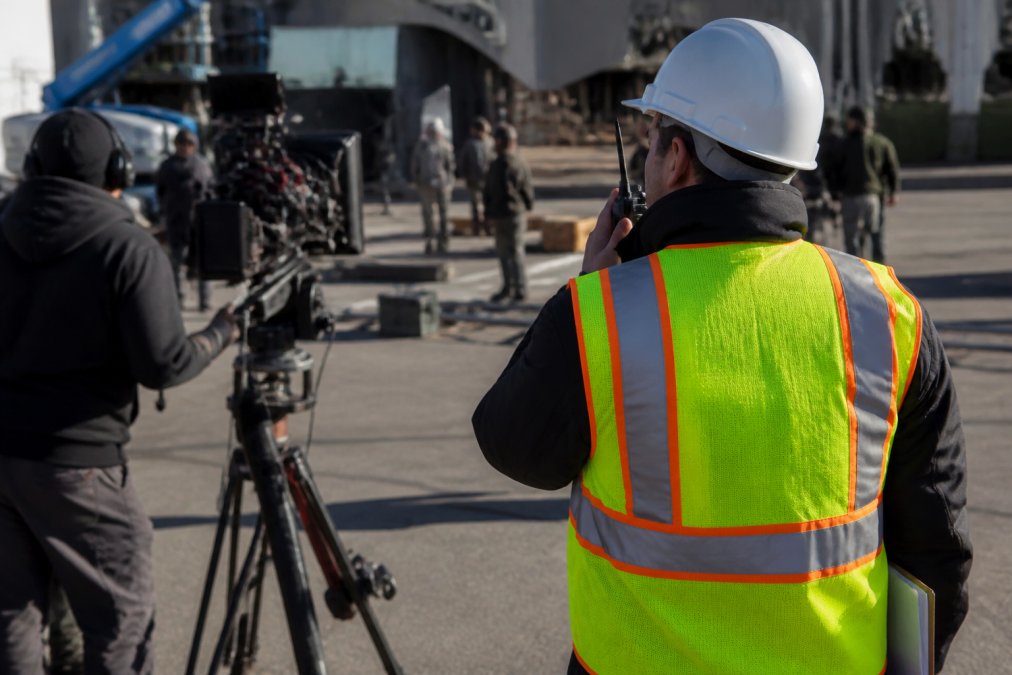
The short answer is yes: there are professionals who dedicate their entire practice to film production safety, and in California their work is shaped by a regulatory framework that exists nowhere else in the country. These consultants combine traditional occupational health and safety expertise with a working knowledge of how a set actually operates, from soundstage logistics to location permitting. The gap between generic workplace safety and the demands of a moving camera crew is where many preventable incidents occur.
A film production safety consultant is a specialist who applies Cal/OSHA standards and California labor code requirements to the unique hazards of entertainment production, including stunts, special effects, and high-risk location work. This definition matters because the role is frequently confused with an in-house safety coordinator or a general EHS specialist. The consultant brings an outside, audit-ready perspective that internal staff often cannot provide.
California’s entertainment industry operates under stricter rules than most other states, which is why productions shooting here need guidance that a general safety firm may not offer. Below, we will walk through the specific regulations, the core duties of the role, and how to vet a consultant who actually understands your production.
What Sets a Film and TV Safety Consultant Apart
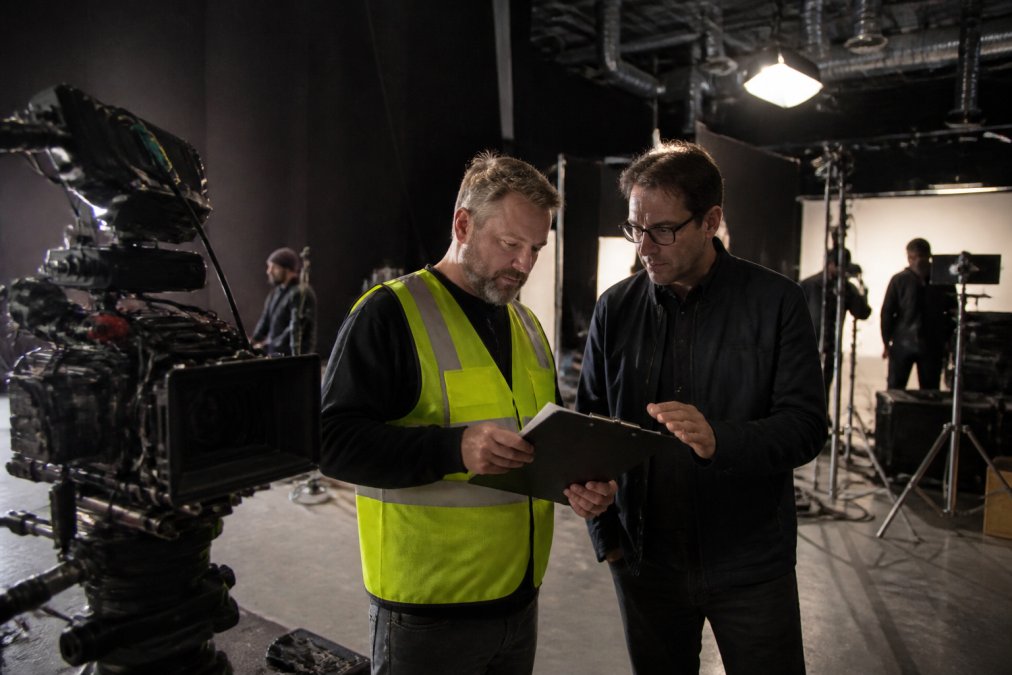
Most general safety consultants understand OSHA compliance, but they often lack the field experience to anticipate what happens when fifty crew members move a 40-foot crane through a narrow backlot. A dedicated film and TV safety consultant understands production logistics, the chain of command on set, and the specific failure points where cast and crew safety gets compromised during a rushed schedule.
The distinction comes down to hazard identification in context. A warehouse has predictable machinery and fixed workflows. A set changes its physical environment daily, sometimes hourly, which means the consultant must conduct ongoing risk mitigation rather than a one-time walkthrough. This is why production companies increasingly treat the consultant as part of the pre-production planning team, not just an on-set monitor.
The California Safety on Production Pilot Program (SPPP)
California has since put a statutory framework around this work. The Safety on Productions Pilot Program, added to the Labor Code by SB 132 (2023) at sections 9151 through 9153, is mandatory rather than voluntary: a production taking an allocation under the state film and television tax credit program must engage a Safety Advisor for the run of the production. The pilot period runs from July 1, 2025 through June 30, 2030.
The Safety Advisor is a dedicated role. That person cannot hold any other job on the production and works independently of cast and crew, and has to meet one of three experience paths – two years of entertainment industry safety work, five hundred verified days in other crew positions with specialized safety knowledge, or five years of safety work in another field – plus joint labor-management training and the OSHA 30-hour general industry course. The Advisor prepares a written risk assessment before production and a separate assessment for higher-risk activity: firearms, major pyrotechnics, stunts, aircraft, trains, off-road vehicles, watercraft, and work weeks running past sixty hours. Being covered by the program changes nothing about enforcement. Cal/OSHA still inspects and still cites in the ordinary way; the program adds a required safety role and a documentation trail, it does not buy a production a different relationship with the Division.
Cal/OSHA Film Production Standards You Must Know
Cal/OSHA does not have a single “film production” regulation, but it enforces several standards that apply directly to set work. The most relevant include the Injury and Illness Prevention Program (IIPP) requirement, which mandates that every employer maintain a written, effective safety program tailored to its specific operations. For a production company, that means documenting everything from ladder use to stunt coordination safety.
The California Division of Occupational Safety and Health also applies general industry standards to set conditions, including fall protection, electrical safety, and hazardous materials handling. Special effects work triggers additional scrutiny because pyrotechnics and weapon effects fall under specific regulatory compliance rules that require trained personnel and permits.
Motion picture tax credit safety requirements add another layer. Productions claiming California’s film tax credit must demonstrate compliance with state safety and labor laws, which means the state’s California Film Commission can review safety records as part of the credit approval process. A consultant who understands this intersection helps productions protect both their crew and their financial incentives.
Core Duties: Risk Assessment for Film and Television
The primary duty of a production safety consultant is conducting a thorough risk assessment for film and television operations before cameras start rolling. This involves walking every location, reviewing the stunt coordination safety plans, examining special effects protocols, and identifying hazards that the production team may have overlooked in the rush to lock a shooting schedule.
A comprehensive assessment covers several distinct areas:
- Location hazards, including weather exposure, traffic control, and structural integrity of shooting spaces
- Stunt and special effects safety, from rehearsal protocols to fail-safe mechanisms
- Cast and crew safety training, verifying that required certifications are current
- Emergency action planning, including evacuation routes and medical response procedures
- Incident reporting systems that ensure near-misses are documented and corrected
After the assessment, the consultant produces a written safety plan that becomes the production’s operating document. This plan should address hazard identification for every department, from grips to wardrobe, and establish clear reporting lines for safety concerns.
Hiring a Set Safety Coordinator vs. a Consultant
Productions often ask whether they need a full-time set safety coordinator or a consultant who comes in for specific phases. The answer depends on the production’s size, risk profile, and budget. But the decision is also a financial one, and the cost of a specialized consultant can be a fraction of the potential liability from a single preventable incident.
The Cost-Benefit Case for a Consultant Over Internal Staff
A full-time set safety coordinator is a W-2 employee whose cost includes salary, payroll taxes, workers’ compensation insurance, and benefits. A coordinator with film production experience typically commands a day rate that, when annualized across a long shoot, can exceed the cost of a consultant retained for specific phases. A consultant, by contrast, is typically engaged on a project basis for pre-production planning, high-risk sequence coverage, and periodic audits. This structure lets a production pay for deep expertise only when it is needed, rather than carrying that overhead for the entire shoot.
The more compelling argument is the cost of non-compliance. A single Cal/OSHA citation for a serious violation on a set can carry a penalty that dwarfs the consulting fee. When you add the potential for a stop-work order, which halts a crew of dozens and burns a shooting day that can cost tens of thousands of dollars in sunk location and equipment expenses, the economics become clear. The consultant’s fee can be a valuable investment in risk mitigation.
A Decision Framework for Mid-Sized Productions
A common pattern for mid-sized productions is to hire a coordinator for the shoot itself while retaining a consultant for pre-production planning and regulatory strategy. This hybrid model gives the production constant on-set presence plus the deeper expertise of someone who has handled Cal/OSHA citation defense and knows what inspectors look for during an audit.
Use this framework to decide which model fits your production:
- Under 15 shooting days with no stunts or special effects: A consultant for a pre-production audit and a single on-set visit is usually sufficient. The production manager can implement the written safety plan.
- 15 to 40 shooting days with moderate risk (heights, vehicles, weapons): Hire a dedicated coordinator for the shoot and retain the consultant for the initial audit and high-risk sequence coverage.
- Over 40 days or any production with pyrotechnics, wire work, or water work: Both a full-time coordinator and a consultant with specialized high-risk credentials are warranted. This is the tier where SPPP enrollment becomes attractive.
The Insurance Premium Angle Most Producers Miss
Insurers increasingly review safety records when setting premiums for entertainment production policies. A production with a documented, consultant-built safety program presents a lower risk profile than one with a generic template downloaded from the internet. The consultant’s audit trail, incident reports, and corrective action logs become evidence your broker can present to underwriters when negotiating rates.
A consultant who understands production liability will structure documentation to satisfy both Cal/OSHA and your insurer’s loss-control requirements. This dual purpose means the consultant’s work product has ongoing financial value beyond the immediate production, potentially reducing premiums on your next project. Ask any candidate how their documentation has helped previous clients in insurance negotiations.
Checklist for Vetting Consultant Credentials
When you evaluate a film production safety consultant, verify these specific qualifications rather than relying on general assurances:
- Registration or certification in environmental health and safety disciplines
- Direct experience with California labor code and Cal/OSHA enforcement
- A track record with high-risk production elements like stunts and special effects
- Understanding of the SPPP application and compliance process
- Familiarity with emergency preparedness for location-based filming
- References from productions of similar scale who can speak to both safety outcomes and insurance interactions
The right consultant should also understand production liability and how safety documentation affects your insurance posture. Insurers increasingly review safety records when setting premiums, so rigorous safety documentation can influence a production’s insurability.
How to Vet and Hire the Right Production Safety Expert
Start your search by evaluating whether the consultant has worked on productions of similar scale and complexity. A consultant who handles independent films may not have the depth for a studio feature with extensive visual effects and stunt work. Ask for examples of how they handled specific challenges, such as a high-risk sequence on location or a last-minute schedule change that created new hazards.
Verify their understanding of the full regulatory landscape, including the federal OSHA standards that still apply alongside Cal/OSHA rules. The best candidates can articulate how federal and state requirements interact rather than treating them as separate checklists.
The Location-Based Filming Test
California productions shoot in environments that range from Death Valley heat to Sierra Nevada snow to dense urban streetscapes. Each environment carries distinct hazards that a studio-centric consultant may not fully grasp. During the interview, ask the candidate to walk you through their approach to a specific location scenario. A strong consultant will immediately discuss heat illness prevention plans, which Cal/OSHA requires for outdoor work, or wildfire smoke exposure protocols, which have become a regular consideration for productions shooting in the fall months.
A qualified consultant should also understand the logistical complexity of remote locations. When a set is 45 minutes from the nearest trauma center, the emergency action plan changes. The consultant should know how to coordinate with local emergency responders, verify the capabilities of nearby medical facilities, and establish communication protocols for crew working in areas with unreliable cell coverage. Ask about their experience with the California Film Commission’s permit process for state-owned locations, which often carries additional safety review requirements.
Red Flags to Watch For
During interviews, pay attention to how they approach safety culture. A consultant who only talks about compliance checklists will produce documents, but one who discusses crew communication, hazard reporting incentives, and leadership buy-in will actually reduce incidents. The goal is not just to pass an audit but to embed safety into how your production operates.
Be wary of candidates who cannot name the specific Cal/OSHA standards that apply to your production’s highest-risk elements. A consultant who speaks only in generalities about “workplace safety” likely lacks the specialized knowledge your production needs. Similarly, be cautious of anyone who promises to “guarantee no citations”, no legitimate professional can make that promise, and the ones who do are often the least prepared for an actual inspection.
The Vetting Process in Practice
A thorough vetting process includes three steps. First, request their current certifications and verify them directly with the issuing body. Second, ask for two references from productions of comparable risk profile and actually call them. Third, conduct a paid half-day consultation where the candidate walks a location with your production manager and identifies hazards. This trial run reveals their practical knowledge far better than any interview.
Productions that skip this process may find themselves with a consultant who produces a safety binder that is not fully utilized. The right consultant can challenge assumptions, push back on unsafe schedule demands, and earn the respect of your crew by being present and practical. That can be the difference between a vendor and a partner in production safety.
Conclusion: Start with an Audit and Build a Safety Culture
Every production should begin with a baseline safety audit before adding new protocols or personnel. An audit reveals the gaps you do not know exist, which is exactly what you need before committing to a full safety program. From there, build a culture where cast and crew safety is a production value, not an administrative burden.
Michael Karl McNeil brings a background that spans fire service command, industrial hygiene, and environmental health, offering expertise that understands both the regulatory letter and the operational reality of a working set. Our work covers Cal/OSHA compliance, written safety programs, and emergency planning across California and the Western states.
Frequently Asked Questions
Who is in charge of safety on a film set?
Ultimately, the production company holds the legal responsibility for cast and crew safety. In practice, the line producer and the designated production safety representative manage day-to-day compliance. For high-risk productions, a film production safety consultant or a dedicated set safety coordinator is brought in to conduct risk assessments, implement the Injury and Illness Prevention Program, and ensure compliance with Cal/OSHA film production standards.
What are the legal requirements for production safety in California?
California requires every employer, including production companies, to maintain a written Injury and Illness Prevention Program (IIPP) per California Labor Code section 6401.7. Productions must also comply with Cal/OSHA film production standards, which cover everything from set construction to stunts. Productions seeking the motion picture tax credit may consider the California Safety on Production Pilot Program (SPPP), which can involve a dedicated safety advisor on set.
How do third-party safety consultants integrate with production crews?
A third-party consultant acts as an objective set safety advisor. They work alongside the production safety representative, line producer, and department heads to identify hazards before they cause incidents. They conduct daily on-set monitoring, review stunt coordination and special effects plans, and provide safety training certification documentation. This outside perspective helps bridge gaps between the production office and the crew, strengthening overall safety culture.
What qualifications should you look for in a film production safety expert?
Look for field experience first, then credentials. On a California production covered by the Safety on Productions Pilot Program the statute sets the bar itself: the Safety Advisor holds no other role on the production and must meet one of three experience paths, plus joint labor-management training and the OSHA 30-hour general industry course. Beyond that, look for registration in an environmental health and safety or industrial hygiene discipline, direct experience with Cal/OSHA enforcement in California, and hands-on familiarity with the hazards that actually recur on a set: stunts, special effects, heat, and location work.
 Michael Karl McNeil
Leave a comment