Table of Contents
- Understand What You’re Looking For in a Fire Service Expert Witness
- Search by State and Regional Resources
- Evaluate Fire Protection Engineering Expert Witness Credentials
- Execute an Expert Witness Vetting Process
- Assess Fire Service Standard of Care Expert Knowledge
- Review Deposition and Trial Testimony History
- Compare Firms vs. Independent Consultants
- Consulting Firms: Structure, Strengths, and Trade-Offs
- Boutique Fire Protection Firms: Specialized Focus
- Independent Consultants: Direct Relationship and Flexibility
- Decision Framework: When to Choose Each Model
- Cost-Benefit Analysis for Budget-Conscious Litigation Teams
- Hybrid Approach: Retaining Multiple Experts
- Frequently Asked Questions
Last Updated: September 29, 2026
Understand What You’re Looking For in a Fire Service Expert Witness
Finding the right expert witness fire safety professional for fire service and safety litigation requires verifiable credentials, hands-on operational experience, and a track record of credible testimony. This guide walks you through the vetting process for evaluating candidates across the Western states.
Core Credentials and Licensure
A fire service expert witness must hold professional licenses and certifications that courts recognize, such as a Registered Industrial Hygienist (RIH) for occupational health cases. Courts scrutinize expert qualifications heavily during discovery. Match credentials to your case: an industrial hygienist for toxic exposure or OSHA violations.
Operational Fire Service Experience
Credentials alone don’t prove operational understanding. The best expert witnesses have active fire service experience in prevention, investigation, or command positions, direct experience with your incident type, and knowledge of the jurisdiction’s fire codes at the time of the incident. Textbook knowledge fails under cross-examination; operational credibility is irreplaceable.
Search by State and Regional Resources
The Western states maintain separate professional licensing boards and fire codes, and the regulatory landscape varies significantly by jurisdiction. Finding an expert requires understanding both where to search and what regional standards they must know.
State-by-State Licensing and Registry Access
California enforces the California Fire Code (based on the International Fire Code with state amendments).
Washington and Oregon recognize PE licenses reciprocally with California but maintain distinct state fire codes. Experts must demonstrate familiarity with state-specific amendments, not just national standards.
Nevada and Utah require PE licensure through their respective engineering boards. Direct outreach to state fire marshal offices is more productive than national directories in these underserved markets.
Arizona and Colorado follow the International Fire Code with local amendments. Both states have active wildfire litigation, so experts with wildland-urban interface experience should be vetted early.
Wyoming and New Mexico have limited expert availability.
Professional Organization Directories
The Society of Fire Protection Engineers (SFPE) maintains a searchable member directory at sfpe.org/directory, filtered by region and specialty. The National Association of Fire Investigators (NAFI) maintains a directory searchable by state for fire origin-and-cause investigation expertise. Not all qualified experts are SFPE members, particularly independent consultants in rural areas.
Verification and Red Flags During Registry Search
Verify license status (current and active), disciplinary history, scope of license (specialty must match your case), reciprocal recognition across states, and continuing education compliance.
Regional Vetting Criteria Specific to Western Litigation
Western fire service litigation has region-specific considerations: wildfire and wildland-urban interface expertise (Firewise USA standards, defensible space, structure ignition), seismic and structural fire interaction (earthquake damage affecting suppression systems), high-altitude fire behavior (oxygen availability, fuel moisture, fire spread rates), and water supply constraints in rural areas affecting fire department response and system design.
Evaluate Fire Protection Engineering Expert Witness Credentials
Fire protection engineering expertise requires specific technical knowledge that courts take seriously. Not every engineer who studied fire protection can serve credibly as an expert witness.
Professional Licensure and Certifications
Check the licensing board’s disciplinary history; even minor actions can undermine credibility during cross-examination.
Published Work and Technical Authority
The strongest expert witnesses have published technical articles, contributed to code development, or presented at professional conferences. Published work proves active contribution to the field’s knowledge base, which courts value heavily.
Execute an Expert Witness Vetting Process
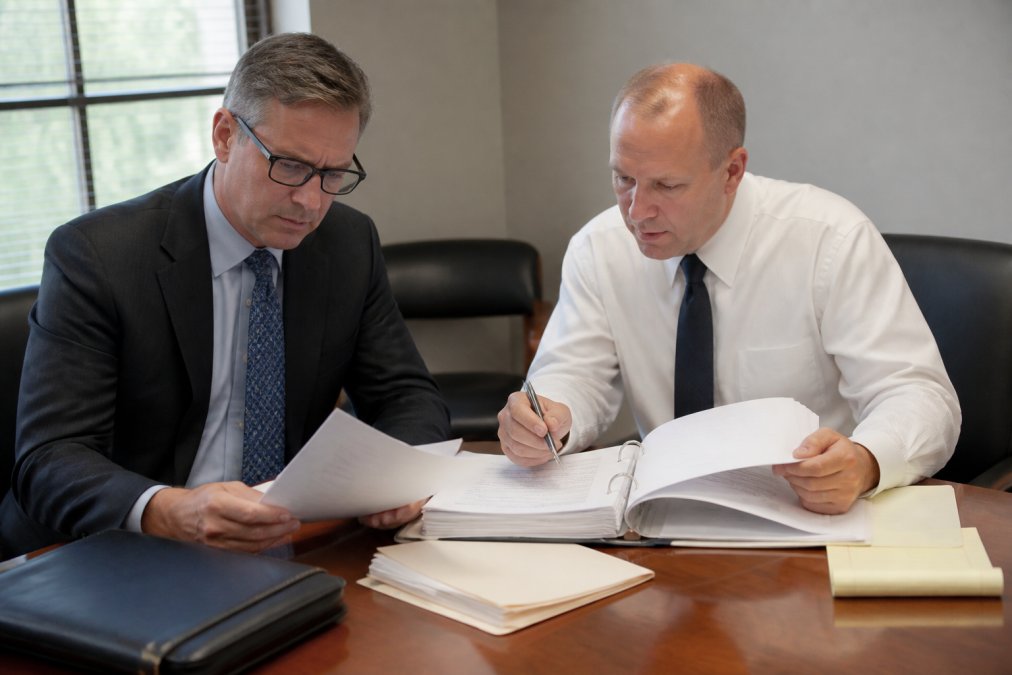
Evaluating a potential expert witness requires a structured approach. A thorough vetting process protects your case and prevents surprises during deposition.
Conflict of Interest Screening
Screen for conflicts of interest: prior work for parties or opposing counsel, financial interests in companies involved in the incident, prior testimony against similar parties, or personal relationships with litigants. Document screening in writing to protect you during discovery.
Initial Expert Interview Checklist
Schedule a confidential call with the potential expert. Ask about specific experience with similar incidents, prior expert witness work, their explanation of standard of care, availability and timeline, obstacles to credible testimony, and fee structure. A strong candidate will answer directly and ask detailed questions about your incident, identifying potential weaknesses early.
Assess Fire Service Standard of Care Expert Knowledge
Standard of care is the core of most fire service litigation. Your expert must understand what fire departments, building owners, or safety professionals were expected to do, and why they either met or failed that standard.
Building Code and Life Safety Standards
Your expert must know the specific building codes and life safety standards that applied at the time of the incident, not current codes. Key areas: NFPA standards (101, 72, 13), International Building Code (IBC), OSHA standards, and state/local fire codes. Ask the expert to cite specific code sections; vagueness or reliance on current codes is a red flag.
Forensic Fire Analysis and Origin-and-Cause Methodology
For fire origin-and-cause cases, the expert must understand NFPA 921 (Guide for Fire and Explosion Investigations). They should explain how they determined origin through systematic elimination, identified cause with scientific reasoning, and what evidence they relied on. Experts who acknowledge limitations are more credible than those claiming certainty.
Review Deposition and Trial Testimony History
Request transcripts from prior cases and review them for clarity under cross-examination, consistency with written reports, appropriate use of qualifications, professional demeanor, and honesty about limitations. Ask the expert directly about prior testimony, case names, dates, and outcomes. A strong expert has clear, consistent testimony that held up under cross-examination.
Compare Firms vs. Independent Consultants
You can hire an expert witness through a consulting firm, a boutique fire protection firm, or an independent consultant. Each model has distinct advantages and limitations affecting case strategy, timeline, and resource allocation.
Consulting Firms: Structure, Strengths, and Trade-Offs
Large multidisciplinary consulting firms offer institutional credibility, multiple expert availability, administrative infrastructure, cross-disciplinary resources, and established expert networks. Limitations include higher cost structure, reduced direct access (working through coordinators), generalist expertise, potential conflicts of interest, and standardized approaches that may not suit non-standard cases.
Boutique Fire Protection Firms: Specialized Focus
Boutique firms (5-20 employees, fire protection specialists only) offer specialized expertise, faster turnaround, direct expert access, and established track records in fire litigation. Limitations include limited backup resources, narrower scope requiring outside referrals, and smaller geographic footprint.
Independent Consultants: Direct Relationship and Flexibility
Independent consultants offer lowest cost, direct and continuous access, specialized expertise, flexibility in approach, faster report delivery, and availability for extended engagement. Limitations include no backup if unavailable, smaller institutional credibility perception, limited cross-disciplinary resources, potential availability constraints during peak seasons, and less formal infrastructure.
Decision Framework: When to Choose Each Model
Choose a large consulting firm if:
- Your case involves multiple expert disciplines (fire protection, structural engineering, electrical systems, HVAC).
- You need backup expert availability due to timeline pressure or high-stakes litigation.
- Your legal team prefers centralized billing and administrative coordination.
- The case is high-profile and institutional credibility matters for jury perception.
- You anticipate expert unavailability and need a firm with bench strength.
Choose a boutique fire protection firm if:
- Your case is fire-specific (origin-and-cause, fire protection system design, building code compliance).
- You want specialized expertise without the cost premium of large firms.
- You need faster report delivery and direct expert access.
- Your budget is moderate and you want to balance cost and credibility.
- You value a firm’s established track record in fire litigation.
Choose an independent consultant if:
- Your budget is constrained and cost is a primary factor.
- You need a highly specialized expert (wildfire, industrial fire prevention, specific code expertise).
- You want direct, continuous access to the expert throughout litigation.
- Your case is straightforward and doesn’t require multiple expert disciplines.
- You anticipate a long litigation timeline and want continuity with one expert.
- You need rapid initial case evaluation or emergency expert consultation.
Cost-Benefit Analysis for Budget-Conscious Litigation Teams
However, if your case requires expert unavailability backup or multiple disciplines, the firm’s higher cost may be justified by reduced timeline risk and coordinated analysis.
Hybrid Approach: Retaining Multiple Experts
Some litigation teams use a hybrid model: retain an independent consultant for initial case evaluation and report preparation, then engage a boutique firm or large firm expert as a second opinion or for trial testimony. This approach leverages the independent expert’s cost efficiency and specialization while maintaining institutional credibility for trial.
This strategy works well when:
- Your initial investigation reveals unexpected complexity requiring a second expert’s perspective.
- You want to validate your primary expert’s findings before trial.
- Your primary expert is unavailable for trial and you need a credible backup.
- You’re preparing for aggressive cross-examination and want multiple experts to stress-test your case.
Frequently Asked Questions
What qualifications should a fire service expert witness possess?
A qualified expert witness for fire service litigation should hold credentials like Registered Environmental Professional (REP) or Registered Industrial Hygienist (RIH), with hands-on fire service or fire prevention experience. They should demonstrate expertise in building codes, life safety standards, and forensic fire analysis. Published work, expert testimony experience, and involvement with professional organizations strengthen credibility.
How do I verify the credentials of a fire safety expert witness?
Start by confirming professional licenses through your state’s licensing board. Request the expert’s curriculum vitae, publications, and a list of prior deposition and trial testimony. Contact previous retaining counsel to verify their experience with similar cases. Screen for conflicts of interest by asking about current or past relationships with opposing parties. Request references from other attorneys who have retained them.
What role does a fire prevention expert play in litigation?
A fire prevention expert provides technical analysis and expert testimony on whether a defendant’s actions or inactions violated the standard of care for fire safety. They evaluate building code compliance, life safety system design and maintenance, fire prevention procedures, and whether applicable regulations were followed. In litigation, they prepare expert reports, participate in discovery, and provide deposition and trial testimony. They help attorneys understand complex fire protection engineering concepts and establish causation in fire-related injury or property damage cases.
Should I hire an independent expert witness or a firm?
Independent consultants often provide deeper specialized expertise and direct availability, particularly for fire service and forensic fire investigation cases. They typically have lower overhead and more flexibility in scheduling. Firms offer broader resources, multiple specialists for complex cases, and institutional backup. For fire service litigation in the Western states, an independent expert with direct fire battalion or fire prevention background may offer more credible testimony on standard of care. Consider case complexity, timeline, and whether you need multiple disciplines when deciding.


Leave a Reply