
Table of Contents
- What Is an OSHA Citation and What Triggers One?
- The Four Types of OSHA Violations and How They’re Classified
- OSHA Penalty Amounts 2026: What Each Violation Costs
- California is a state plan, and the numbers are different
- Are OSHA Citations Public Record? How to Search Them
- The OSHA Informal Conference Process: Your First Chance to Respond
- How to Contest an OSHA Citation: Step-by-Step Timeline
- After the Citation: Fixing Hazards and Reducing Future Risk
- Conclusion
- Frequently Asked Questions
Last Updated: September 5, 2026
What Is an OSHA Citation and What Triggers One?
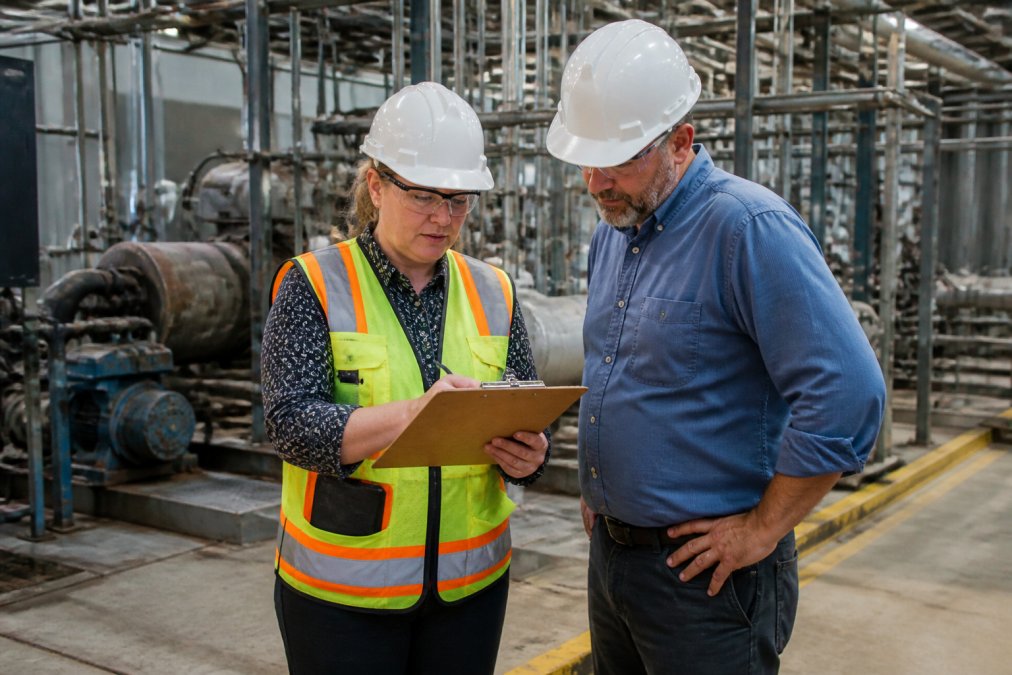
An OSHA citation is a formal notice issued by the Occupational Safety and Health Administration that identifies a violation of workplace safety standards under the Occupational Safety and Health Act and proposes a monetary penalty. A citation is triggered when a compliance officer conducts an inspection and documents conditions that violate specific safety regulations.
Most citations follow an established targeting system, a prior complaint, a severe incident, or a referral from another agency. Understanding what triggers an inspection matters because your response strategy determines whether a minor paperwork issue becomes a costly enforcement action.
The Four Types of OSHA Violations and How They’re Classified
OSHA classifies violations into four main categories. A willful violation is the most severe, defined as an intentional or knowing disregard for safety standards, and it carries the highest federal fines. A serious violation exists where there is a substantial probability that death or serious physical harm could result, and the employer knew or should have known of the hazard. An other-than-serious violation has a direct relationship to job safety but likely wouldn’t cause death or serious harm, while a repeat violation occurs when an employer has been cited for the same or substantially similar hazard within the past five years.
The distinction drives the penalty assessment, your abatement period, and how aggressively OSHA pursues the case. A willful violation can also trigger criminal referral in cases involving employee death, which is why accurate classification is your first legal battleground.
OSHA Penalty Amounts 2026: What Each Violation Costs
Federal penalty ceilings are normally adjusted for inflation every January. They were not adjusted for 2026: the Bureau of Labor Statistics did not publish the October 2025 Consumer Price Index during the federal shutdown, so the calculation the statute requires could not be run and the 2025 ceilings carried forward. For 2026 the maximums are $16,550 for a serious or other-than-serious violation, $16,550 per day for failure to abate, and $165,514 for a willful or repeated violation. A willful violation also carries a statutory minimum.
The exact dollar figures change each year, so relying on outdated numbers from a blog post can mislead your abatement strategy. OSHA publishes the current penalty structure on its official site, and OSHA’s official penalty adjustment notice lists the precise 2026 amounts. What matters more than the ceiling is the gravity-based penalty calculation, which considers the severity of the hazard and the likelihood of injury. Two facilities with identical violations can receive very different fines based on these factors.
California is a state plan, and the numbers are different
None of the federal ceilings above apply to a California employer. California runs its own approved state plan, and Cal/OSHA assesses under its own schedule in title 8, section 336 of the California Code of Regulations rather than the federal one. Under the schedule operative 1 January 2025 the maximums are $16,285 for a regulatory or general violation, $25,000 for a serious violation, and $162,851 for a willful or repeated violation, with a statutory minimum of $11,632 on a willful.
The procedure differs as well. A California employer has 15 working days from receipt to appeal a citation to the Occupational Safety and Health Appeals Board, and filing that appeal is what preserves every argument that comes after it. An informal conference with the district office is worth having, but it does not extend the appeal deadline. Confirm which scheme you are actually under before working from a federal timeline.
Are OSHA Citations Public Record? How to Search Them
OSHA citations are public record, and anyone can search them through the agency’s enforcement database. This means your citation history is visible to clients, insurers, and competitors who know where to look. The OSHA enforcement database search tool allows you to look up an establishment’s inspection history by name, industry, or location, revealing past citations, penalty amounts, and abatement status.
Beyond public disclosure, your citation history has downstream effects. Insurance carriers routinely review enforcement data when underwriting policies. A pattern of repeat violations can raise your Experience Modification Rating (EMR), which directly increases your premium costs for years. Contesting an unwarranted citation isn’t just about avoiding the fine; it’s about protecting your insurability and your reputation.
The OSHA Informal Conference Process: Your First Chance to Respond
The informal conference is your first and best opportunity to resolve a citation before formal litigation begins. Within 15 working days of receiving the citation, you can request a meeting with the OSHA Area Director to discuss the violations, present evidence, and negotiate a settlement.
Most employers make a critical mistake here: they send a safety manager alone without legal or technical representation. The informal conference is a negotiation, and you need someone who understands the penalty assessment methodology. Bring photos, maintenance records, training logs, and any documentation that contradicts the compliance officer’s findings.
To maximize the value of this meeting, follow a structured preparation checklist:
- Request the conference in writing within the 15-working-day window. Your request should be sent to the Area Director and should state the citation number and your intent to discuss it informally. This request does not extend the deadline, so do not delay.
- Obtain the complete case file. Under the Freedom of Information Act, you can request the compliance officer’s notes, photographs, and any other evidence gathered during the inspection. Reviewing this file before the conference reveals the specific basis for each citation item and often exposes weaknesses in the officer’s documentation.
- Conduct an internal root-cause analysis. Before you negotiate, you need to understand why the violation occurred. Was it a training gap, a maintenance failure, or a design flaw? This analysis informs your abatement proposal and demonstrates good faith to the Area Director.
- Develop a specific abatement plan. The Area Director is more likely to reduce penalties or extend deadlines if you present a concrete, dated plan for correcting the hazard. Include who is responsible, what resources are needed, and how you will verify the fix.
- Identify the negotiation levers. The Area Director has authority to reduce penalties based on four factors: good faith, history of prior violations, size of the business, and the gravity of the violation. If you have a strong safety program, a clean history, or fewer than 250 employees, these are levers you can pull. If the violation is classified as serious but the probability of injury was low, argue for a reclassification to other-than-serious.
Employers often focus solely on the penalty amount and miss the opportunity to negotiate the citation’s characterization. The characterization affects your public record and insurance risk profile. A willful violation signals to insurers that you knowingly disregarded safety, which can trigger premium increases or policy non-renewal.
Another strategic element is the abatement date. If you need more time to order equipment, schedule training, or complete construction, the informal conference is the place to request an extension.
The informal conference is confidential and without prejudice. What you say during the meeting cannot be used against you in a subsequent formal proceeding. The Area Director’s goal is abatement, not punishment.
If the informal conference fails to produce a satisfactory resolution, you retain your right to file a formal Notice of Contest. The conference does not waive that right, but the deadline still applies.
How to Contest an OSHA Citation: Step-by-Step Timeline
If the informal conference doesn’t resolve the issue, you have the right to formally contest the citation, but the timeline is unforgiving.
- File the Notice of Contest within 15 working days of receiving the citation. This must be in writing to the Area Director.
- Await the complaint filing from OSHA with the Occupational Safety and Health Review Commission, which typically takes 30 to 60 days.
- File your answer within 20 days of OSHA’s complaint, admitting or denying each allegation.
- Participate in discovery, where both sides exchange evidence, witness lists, and expert reports.
- Attend the hearing before an administrative law judge, where both parties present testimony and evidence.
- Receive the judge’s decision, which can be appealed to the full Review Commission and then to federal court.
The process routinely takes 12 to 24 months from filing to final resolution. That timeline works in your favor if you use it to correct the underlying hazards.
The Occupational Safety and Health Review Commission’s guide to contesting citations provides the procedural framework, but the practical reality is that success hinges on the quality of your technical evidence and your ability to challenge the compliance officer’s findings.
After the Citation: Fixing Hazards and Reducing Future Risk
Winning a contest or paying a fine is only half the battle. The citation remains on your record, and OSHA can return for a follow-up inspection to verify abatement. Your post-citation remediation workflow should include a documented correction plan, employee training updates, and a hazard communication review.
Treat the citation as a diagnostic tool rather than a punishment. The cited hazard often points to systemic gaps in your safety management system that a single fix won’t address. Conduct a broader audit of similar operations and update your written safety programs.
To move from reactive fix to systemic improvement, follow this post-citation remediation workflow:
- Within 5 days of the citation: Assemble a cross-functional response team. Include the plant manager, safety officer, maintenance lead, and HR representative. Assign a single point of contact for OSHA communications and abatement tracking.
- Within 10 days: Conduct a root-cause analysis. Use a simple “5 Whys” approach. If the citation was for a missing machine guard, ask why the guard was missing. The answer may reveal a purchasing process that does not include safety parts, or a maintenance schedule that skips safety device checks.
- Within 15 days: Draft a written abatement plan. This plan must specify the corrective action, the person responsible, and the completion date. OSHA requires you to certify abatement in writing, and you must post the citation and the abatement certification in a visible location for three days or until the violation is corrected, whichever is longer.
- Within 30 days: Implement the fix and verify it. Do not rely on a verbal confirmation. Walk the floor, take photographs, and have a second person inspect the correction. This documentation is your evidence if OSHA returns for a follow-up inspection.
- Within 60 days: Update your written safety programs. The citation likely exposed a gap in your training materials, hazard communication plan, or lockout/tagout procedures. Revise these documents to reflect the corrected process and train all affected employees on the changes.
- Within 90 days: Conduct a broader audit. Look for similar hazards in other areas of your facility. If the citation was for electrical hazards in one department, check all departments. OSHA can issue a repeat violation if it finds the same hazard elsewhere, and a repeat violation carries penalties up to ten times higher than the initial fine.
The most overlooked consequence of a citation is its impact on your insurance costs and your Experience Modification Rate (EMR). Your EMR is a numerical score used by workers’ compensation insurers to adjust your premium based on your claims history. A score of 1.0 is the industry baseline. OSHA citations themselves do not directly change your EMR, but they often correlate with the types of incidents that do.
Insurance carriers also review OSHA enforcement data during underwriting. A history of willful or repeat violations signals to carriers that your safety management is inadequate, which can lead to higher premiums, reduced coverage options, or outright non-renewal.
Beyond insurance, your citation history affects your ability to win contracts. Many general contractors and government agencies require bidders to submit their OSHA 300 logs and citation history as part of the prequalification process.
To institutionalize the fix, consider implementing a formal corrective action tracking system. This can be as simple as a spreadsheet or as robust as a dedicated safety management software platform.
Finally, schedule a follow-up self-audit 90 to 120 days after the abatement date. This audit should mirror the OSHA inspection protocol: walk the floor, interview employees, and review records. The goal is to identify any residual gaps before OSHA does.
Conclusion
An OSHA citation is a serious business event with financial, legal, and reputational consequences that extend far beyond the initial fine. The path through classification, penalty assessment, informal conference, and potential contest is complex, and the deadlines are unforgiving.
When you need expert guidance through citation defense, abatement planning, or building a safety program that prevents violations before they happen, the background matters. Michael Karl McNeil brings twenty-five years in the fire service, a Master of Science in Environmental Health, and registrations as an Industrial Hygiene Professional and Emergency Planning Professional to every engagement. Whether you need representation at an informal conference, industrial hygiene monitoring to document exposure levels, or a comprehensive audit of your written safety programs, the approach is grounded in real operational experience, not textbook theory. Get started with Michael Karl McNeil and turn your next inspection from a liability into a demonstration of your commitment to workplace safety.
Frequently Asked Questions
What are the four types of OSHA citations?
OSHA groups citations into four categories: other-than-serious, serious, willful, and repeat. A fifth category, failure to abate, applies when you do not fix a cited hazard within the abatement period. The classification determines the penalty amount and the legal stakes. Serious violations carry the standard penalty, while willful or repeat violations can multiply fines. Understanding the classification is the first step in deciding how to respond, especially if you plan to contest the citation.
How are OSHA penalty amounts calculated for 2026?
OSHA starts from a gravity-based amount and then adjusts for employer size, good faith and history of prior violations. The federal ceilings were not adjusted for 2026, because the Bureau of Labor Statistics did not publish the October 2025 Consumer Price Index, so the 2025 figures carried forward: $16,550 for a serious or other-than-serious violation, $16,550 per day for failure to abate, and $165,514 for a willful or repeated violation. California is a state plan and assesses under its own schedule at 8 CCR 336, where a serious violation runs to $25,000 and a willful or repeated violation to $162,851. The amount actually paid is often lower after an informal conference where the employer shows good faith and prompt abatement.
Are OSHA citations public record?
Yes, OSHA citations are public record. Anyone can search them through OSHA’s online establishment search tool using your company name, industry, or location. The database includes inspection details, violation descriptions, and penalty amounts. Because this information is visible to clients, insurers, and competitors, responding quickly and effectively matters. An informal conference or successful contest can reduce penalties and sometimes remove or reclassify violations, which keeps your public record cleaner.
What is the timeline for contesting an OSHA citation?
You have 15 working days from receipt of the citation to contest it. The notice includes the date you received it, usually the day it was delivered in person or by mail. Missing this deadline means the citation becomes a final order, and you lose the right to appeal. The fastest way to preserve your rights is to request an informal conference with the area director before the deadline. You can often resolve issues there without a formal legal appeal.
 Michael Karl McNeil
Leave a comment